 thumbish
Check the video promise first, then exact wording, identity, important objects and feed-size reading. These are design observations, not a controlled workflow benchmark or audience experiment.
Inspect the design, then adapt the idea
Existing generated examples illustrate design decisions. They are not evidence of clicks, historical events or product performance.
Make the editing task visible
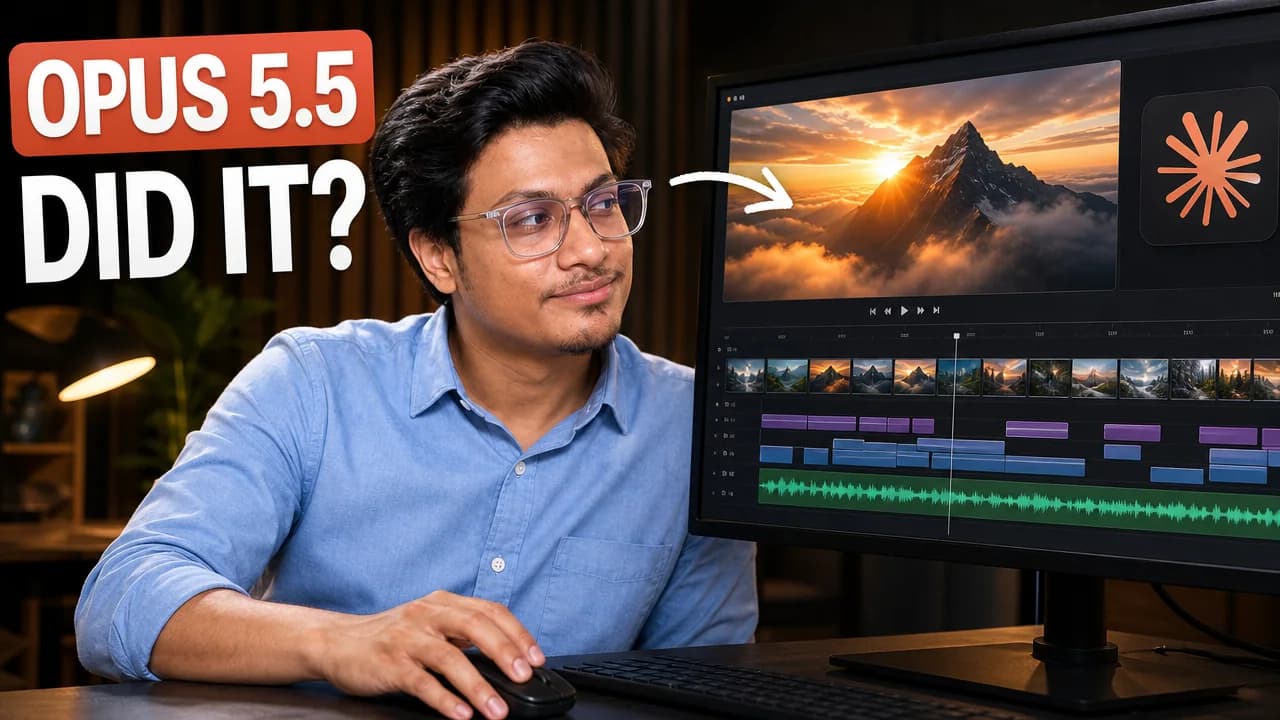
- The timeline makes the task recognizable without a full dashboard.
- Read the headline with the title: do they ask the same question or promise different results?
- Check the face, hand contact and generated interface details.
Tell a turning point through objects

- The vehicles communicate a change without a paragraph.
- The portrait supplies a focal point; the objects provide context.
- This illustration is not historical evidence. Verify identity and claims against the script.
Let action carry a faceless story

- The exchange gives the characters a relationship.
- Playful lettering fits the illustration; it is not a universal documentary font.
- Inspect the exchange and expressions at feed size. This scene does not establish historical facts.
Separate the tool from its result
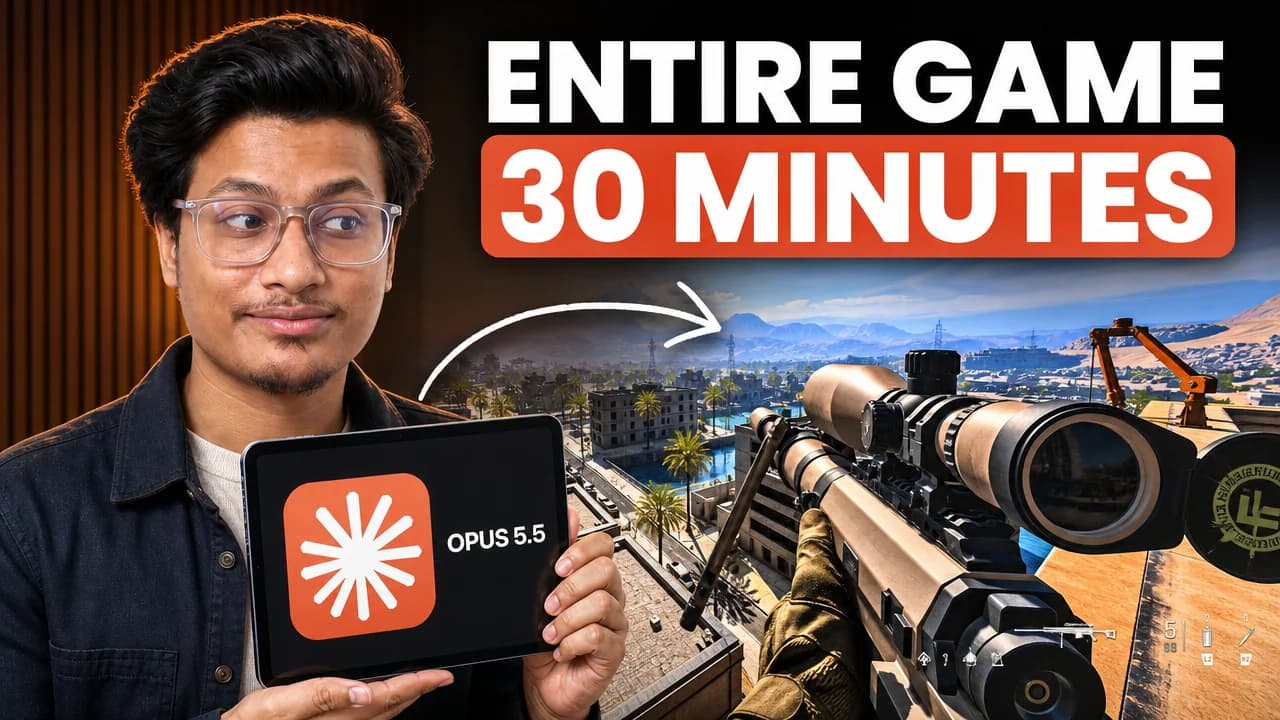
- The game scene is a visible result; the tablet identifies the tool.
- The time claim needs evidence in the video before reuse.
- Keep game and interface details subordinate to the main promise.
Let the setting change the portrait

- The setting communicates the premise without headline text.
- Gaze, distance and the flashlight create a specific emotional beat.
- Do not present a generated scene as a photograph of an actual event.
Check your image with its title or download the free review checklist.
What these examples tell you
These files are existing public showcase artwork. Notes identify visible relationships and checks. Verified original prompts, time, credit ledgers and audience results are unavailable and have not been reconstructed.
An artwork review can identify misleading wording or weak hierarchy; it cannot prove a revision increases clicks. Preserve the actual brief and approval when reviewing your own output.
Compare rendered words with approved copy
Check spelling, order, punctuation, names and supporting labels. A well-styled substitute is still wrong if you approved other words.
Keep records for a real study
Save the brief, concept, selected text, first output and requested revision. Record actual time and credits, including failures. A selected attractive image is not a complete benchmark.
Use the free review checklist
Download the worksheet below. End with a specific accept or revise decision rather than a universal performance score.